Built Like an 1800s Original: The History and Construction of Iron Beds
By American Iron Beds · Handcrafting Iron Beds in Los Angeles Since 1999
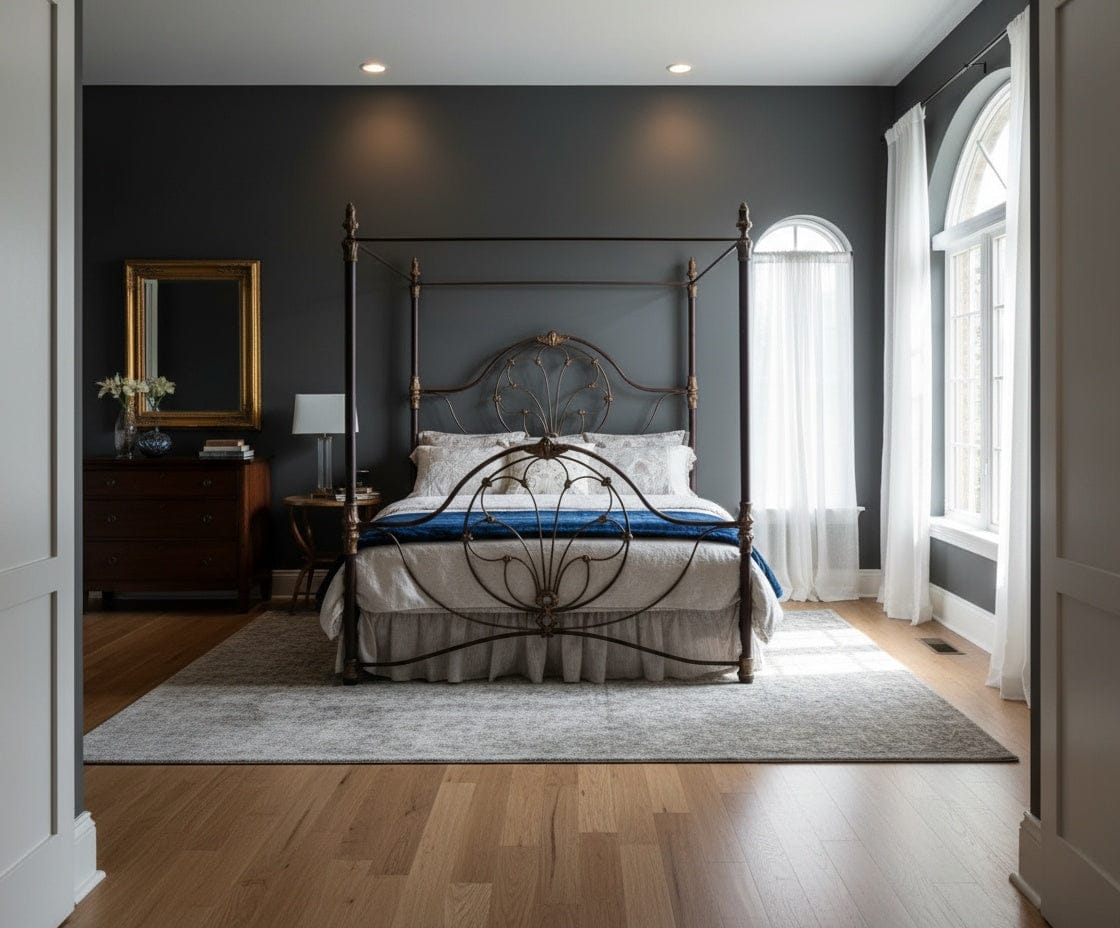
The iron bed you can buy today is built using construction methods that are over 140 years old. That's not nostalgia. It's engineering. The original iron beds from the 1880s and 1890s were so well constructed that thousands of them are still in use in homes around the world. The materials work. The methods work. And the beds last.
Our manufacturing partners have handcrafted iron beds in Los Angeles since 1999, using the same fundamental approach those 19th-century craftsmen perfected. In this guide, we'll walk through the history of iron beds, how the originals were made, why that construction method endures, and how we've improved on it without changing what made it work in the first place.
How Iron Beds Became the Standard in the 1800s
Before iron beds, most people slept on wooden bed frames. Wood was abundant, easy to work with, and cheap. It was also a magnet for problems.
In the mid-1800s, hygiene became a growing concern in both private homes and public institutions. Wooden bed frames harbored bedbugs, lice, and other pests that burrowed into joints and crevices. The wood itself absorbed moisture, warped in humid climates, and rotted over time. Hospitals, boarding schools, and military barracks began replacing wooden beds with iron ones because iron didn't harbor pests, didn't absorb moisture, and could be cleaned with soap and water.
By the 1870s and 1880s, iron beds had moved from institutions into private homes. Foundries in England and the United States began producing ornate iron bedsteads for the residential market, and the Victorian iron beds of this era established the scrollwork and casting vocabulary that still defines ornate iron bed design today. The combination of hygiene benefits, structural durability, and decorative potential made iron the preferred bed material for the next several decades. The traditional iron bedstead that emerged during this period established a design template that has remained essentially unchanged for nearly 200 years. Iron's main competitor through this era was brass beds, which were favored in higher-end Victorian bedrooms before iron's lower maintenance and broader price range eventually pushed brass into a niche category. If you are weighing a genuine 19th-century piece against a modern build, our guide on antique iron beds versus reproductions walks through the practical tradeoffs.
The peak of iron bed production ran from roughly 1880 through the 1920s. During that period, craftsmen developed the construction methods that defined what an iron bed could be: steel tubing for the frame structure, solid iron rod for decorative elements, and hand-poured castings at every structural joint.
How the Original Iron Beds Were Constructed
The construction of a quality iron bed in the late 1800s followed a process that will sound familiar if you've read our iron bed buyer's guide. That's because we still use it.
Steel tubing formed the skeleton. The main structural elements of the headboard and footboard were made from hollow steel tubing. The tubing was hollow by design, not as a cost-cutting measure. Solid iron would be impossibly heavy to move, assemble, or ship. What mattered was wall thickness. Thicker walls meant more rigidity, more weight capacity, and less flex.
Solid iron rod added detail. Decorative scrollwork, spindles, and accent elements were formed from solid iron rod. These pieces were bent, shaped, and welded into the headboard and footboard designs. The combination of hollow tubing for structure and solid rod for detail gave iron beds their distinctive look: strong enough to last generations, refined enough to anchor a bedroom.
Hand-poured castings locked it all together. At every joint where tubing met tubing or rod met frame, craftsmen poured molten metal around the connection. These castings served two purposes. First, they reinforced the weld, adding mass and rigidity to the strongest stress points on the bed. Second, they created the ornamental details that gave each bed its character: rosettes, finials, medallions, and scrolled caps. To understand the difference between wrought iron and cast iron and how each material contributed to the original construction, see our detailed comparison.
This is the critical detail that separates a quality iron bed from a cheap imitation, whether in 1885 or 2026. On the originals, castings were structural. They were part of the bed's skeleton. On mass-produced beds today, "castings" are decorative pieces screwed on or glued on after assembly. They look similar in photos. They perform nothing alike in a bedroom.
Why Original Iron Beds Are Still Standing
Walk into any antique shop that specializes in furniture, and you'll likely find iron beds from the 1880s and 1890s that are still perfectly functional. The paint may be worn. The finish may be patinated. But the structure holds.
This isn't surprising when you understand the construction. Welded steel doesn't loosen the way wood joints do. It doesn't expand and contract with humidity. It doesn't crack, split, or rot. The hand-poured castings reinforcing each joint don't degrade over time. The iron rod doesn't warp.
The beds that have failed over the past 140 years are almost always beds that lost their original side rails. When an antique iron bed is paired with a replacement frame that wasn't built for it, the fit is imprecise, and that's where squeaking and instability begin. The headboard and footboard themselves are typically still solid.
This is a lesson that applies directly to modern iron beds. The construction method works. When it fails, it's almost always because the frame doesn't match the bed. Which is exactly why we build our frames in the same workshop as our headboards and footboards.
How We Build Using the Same Methods Today
Our Los Angeles workshop uses the same three-component system the original craftsmen used: thick-walled steel tubing, solid iron rod, and hand-poured castings. The fundamentals haven't changed because they don't need to.
What has changed are the improvements we've layered on top.
Modern metallurgy. Today's steel alloys are stronger and more consistent than what was available in the 1880s. Our tubing uses the thickest wall gauge in the industry, providing rigidity that exceeds the originals.
Precision welding. Modern welding equipment produces cleaner, stronger joints than 19th-century techniques. Each headboard is welded into one continuous piece. Each footboard is the same. No bolts, no screws, no subsections that can shift.
Hand-applied artisan finishes. The originals were typically painted in black or white enamel. We offer dozens of finish options, all applied by hand: matte black, antique bronze, aged copper, distressed pewter, verdigris green, rust patina, two-tone metallic, and more. The hand-applied technique adds warmth, depth, and texture that machine-sprayed finishes can't match. For a detailed look at every finish we offer, see our full guide to iron bed finishes.
Precision-matched frames. The biggest improvement over antique iron beds is frame compatibility. Every frame we sell is built in the same workshop as the headboard and footboard it connects to. The tolerances are exact. This eliminates the number-one cause of iron bed squeaking: mismatched components.
Lifetime structural warranty. The original craftsmen couldn't offer this because they didn't have the infrastructure. We can, because we know exactly what happens to these beds over decades. The construction doesn't degrade.
Antique Iron Bed vs New Handcrafted Iron Bed
If you love the look of antique iron beds, you have two options: buy an original, or buy a new bed built with the same methods. Here's how they compare.
| Factor | Antique Iron Bed (1880s-1920s) | New Handcrafted Iron Bed |
|---|---|---|
| Construction | Same: steel tubing, iron rod, hand-poured castings | Same: steel tubing, iron rod, hand-poured castings |
| Structural Integrity | Headboard/footboard typically intact; rails often missing or replaced | Complete system: headboard, footboard, and matched frame |
| Finish | Original paint, often worn or chipped; refinishing needed | Brand-new hand-applied finish in your choice of color/patina |
| Sizing | Non-standard; may not fit modern mattresses | Built to exact modern mattress dimensions (Twin through Cal King) |
| Customization | What you see is what you get | Custom heights, rail adjustments, finish samples, custom designs |
| Warranty | None | Lifetime structural warranty |
| Squeaking Risk | High if original rails are missing (replacement frames rarely fit) | Eliminated: frame built in same workshop as bed |
| Price | $500-$3,000+ depending on condition and rarity | $800-$4,000+ depending on collection and options |
The appeal of an antique is undeniable: the history, the character, the idea of sleeping in something that's survived 140 years. But the practical challenges are real. Non-standard sizing means your modern mattress may not fit. Missing rails mean the bed may squeak. Worn finishes mean restoration costs on top of the purchase price.
A new handcrafted iron bed gives you the same construction DNA with none of the compromises. Same materials. Same methods. Modern sizing. Your choice of finish. A frame that actually fits. And a lifetime warranty backing it all.
The Construction Details That Matter Most
Whether you're evaluating an antique or shopping for a new handcrafted iron bed, these are the construction details that determine whether the bed will hold up.
Casting method. Castings should be poured around the joints (structural), not attached after assembly (decorative). This is the single most important quality indicator, and it's been true since the 1880s.
Tubing wall thickness. Thicker is better. Always. If a seller can't tell you the wall thickness, they don't know enough about their own product.
One-piece construction. The headboard should be one welded piece. The footboard should be one welded piece. If either is assembled from bolted subsections, it will loosen over time.
Frame origin. The frame should come from the same workshop as the bed. This was true for quality beds in the 1800s, and it's true today.
Browse our American Classics collection for beds that honor the traditional aesthetic, or explore Dream Gallery designs for custom pieces built to your exact specifications. To compare our iron bed collections side by side, including finishes, rail heights, and customization options, see our full collection comparison.
Frequently Asked Questions
Ready to Find Your Perfect Iron Bed?
Browse our collection of handcrafted iron beds, each built to last a lifetime in Los Angeles by our manufacturing partners.
American Classics collectionAmerican Iron Beds
Handcrafting Iron Beds in Los Angeles Since 1999
Founded in 1999, our iron beds are handcrafted in Los Angeles by our manufacturing partners using construction methods proven since the late 1800s, thick-walled steel tubing, solid iron rod, and hand-poured metal castings. Every bed comes with a lifetime structural warranty.
Continue Reading
 Iron Beds & Frames
Iron Beds: The Complete Buyer's Guide for 2026
Everything you need to know before buying an iron bed frame: types, styles, sizes, construction quality, and care. A comprehensive buyer's guide from a manufacturer with 27+ years of experience.
 Iron Beds & Frames
Hand-Forged vs Machine-Made: Why Iron Bed Craftsmanship Matters
Learn the real differences between handcrafted and mass-produced iron beds. Compare construction, materials, finishes, and durability before you buy.
 Iron Beds & Frames
Custom Iron Bed Finishes: Your Guide to Colors, Patinas & Coatings
Explore hand-applied iron bed finishes from matte black to antique bronze, farmhouse red, and custom patinas. A complete guide to every finish option for your handcrafted iron bed.